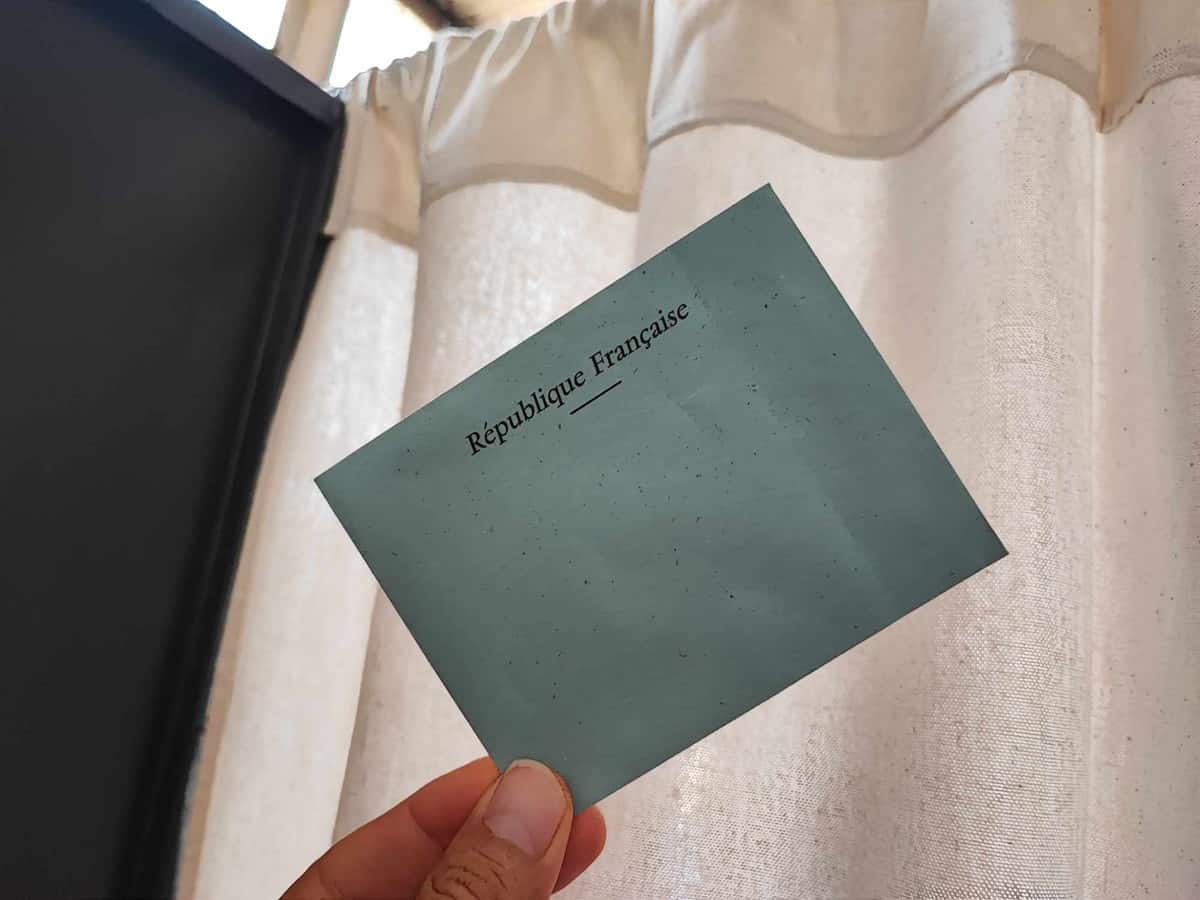
Élections Municipales 2026: Your Essential Calendar & Critical Deadlines
The democratic pulse of France is set to beat strongly in 2026, as citizens across the nation prepare for the highly anticipated Élections Municipales. These local elections are more than just a bureaucratic formality; they are a cornerstone of French democracy, directly impacting the daily lives of millions. From the management of local services to urban planning and community initiatives, the decisions made by municipal councils resonate deeply within every commune. Understanding the complete calendar and adhering to essential deadlines is crucial for both aspiring candidates and engaged citizens alike. This comprehensive guide will walk you through every critical date, from voter registration to the final ballot, ensuring you’re fully informed for the
er tour municipales 2026 and beyond.
The Profound Significance of France's Municipal Elections 2026
Why do the municipal elections hold such weight in France? Unlike national elections, which focus on broader governmental policies, municipal elections are about proximity, community, and direct local representation. Every six years, French citizens head to the polls to elect their municipal councilors, who then elect the mayor. This process determines who will lead your town or city, manage local budgets, implement community projects, and shape the future of your immediate environment.
The upcoming 2026 elections will see a complete renewal of France's municipal councils, offering a fresh opportunity for communities to elect leaders who best represent their values and aspirations. The Ministry of Interior has meticulously set the dates, which are legally binding and non-negotiable, underscoring the gravity and structured nature of French electoral law. Participating in these elections, whether as a candidate or a voter, is a direct engagement with the democratic fabric that underpins French society.
Decoding the Key Dates: From Voter Registration to the Ballot Box
Navigating the electoral process requires a clear understanding of the established timeline. French electoral law is precise, allowing no room for delays or oversights, especially concerning critical deadlines. Missing a deadline can mean disenfranchisement for a voter or disqualification for a candidate, highlighting the importance of this detailed calendar.
Preparing to Vote: Voter Registration Deadlines
Your journey to participating in the 2026 Municipal Elections begins with ensuring your name is on the electoral roll. This fundamental step is often overlooked but is absolutely essential to cast your ballot.
*
Wednesday, February 4, 2026: This is the final day for online registration on the electoral lists. For those comfortable with digital processes, this offers a convenient way to ensure your eligibility.
*
Friday, February 6, 2026: If you prefer to register in person or need assistance, this is the absolute last day to do so at your local town hall (mairie).
Practical Tip: Don't wait until the last minute! Verify your registration status well in advance. If you've moved since the last election or have never registered, these deadlines are paramount. For more detailed information on how to get registered, check out our guide:
Municipales 2026: How to Register, Vote & Key Campaign Dates.
Candidate Submissions: Shaping the Electoral Landscape
For those aspiring to lead their communities, the process of submitting candidatures is rigorous and strictly timed.
*
Thursday, February 26, 2026, at 6:00 PM: This is the crucial deadline for the submission of candidate lists for the first round of the municipal elections. Lists must be complete and compliant with all legal requirements. No late submissions will be accepted.
By February 27, 2026, the official list of candidates inscribed for the first round of voting will typically be updated and made public, marking the formal beginning of the electoral contest.
The Official Campaign Period: Rules and Regulations
Once candidacies are validated, the official campaign period begins, governed by strict rules designed to ensure fairness and transparency.
*
Monday, March 2, 2026: The official electoral campaign for the first round formally opens. This is when candidates can begin to actively solicit votes, distribute materials, and organize public meetings within a regulated framework.
*
Friday, March 14, 2026, at 0:00 AM: A crucial legal injunction comes into effect. From this moment, the distribution of electoral tracts and any message considered electoral propaganda is strictly prohibited. This "quiet period" allows voters a final opportunity for reflection, free from direct campaigning influence.
*
Friday, March 14, 2026, at Midnight: The official electoral campaign for the first round officially closes. Candidates and their teams must cease all campaign activities. Violations, such as campaigning beyond this deadline, can lead to severe penalties, reinforcing the legal weight of these rules.
D-Day: The Premier Tour Municipales 2026 and the Second Round
The heart of the electoral process lies in the voting days themselves. France employs a two-round system for municipal elections in many communes, designed to ensure a strong mandate for the elected representatives.
*
Sunday, March 15, 2026: The eagerly awaited **er tour municipales 2026** takes place. Citizens head to their polling stations to cast their votes.
*
Monday, March 16, 2026: For communes where a second round is necessary (i.e., no list secured an absolute majority in the first round, or certain thresholds were not met), the official campaign for the second round immediately opens.
*
Tuesday, March 17, 2026, at 6:00 PM: This is the final deadline for the submission of candidate lists for the second round. Only lists that participated in the first round and met specific legal criteria can proceed or merge.
*
Friday, March 21, 2026, at 0:00 AM: Similar to the first round, the prohibition on electoral propaganda and tract distribution begins for the second round.
*
Friday, March 21, 2026, at Midnight: The official electoral campaign for the second round concludes.
*
Sunday, March 22, 2026: The second round of the municipal election takes place, determining the final composition of the municipal councils where the first round was inconclusive.
Post-Election Formalities: Campaign Finance Reporting
Even after the ballots are counted, the legal process continues for candidates.
*
Friday, May 22, 2026: This is the deadline for depositing campaign accounts with the National Commission for Campaign Accounts and Political Financing (CNCCFP). This critical step ensures transparency and accountability in election financing.
Practical Tips for Voters and Candidates
To ensure a smooth and effective electoral experience, both voters and candidates should keep the following advice in mind:
*
For Voters:
*
Check Your Registration: Don't assume you're registered. Verify your status online or at your mairie well before the February deadlines.
*
Know Your Polling Station: Ensure you know where to vote on election day.
*
Consider Proxy Voting: If you anticipate being unavailable on election day, understand the process for voting by proxy.
*
Stay Informed: Follow the news, attend local debates, and read candidate platforms to make an informed decision.
*
For Candidates:
*
Strict Adherence to Deadlines: Every date listed above is legally binding. Plan meticulously to avoid any administrative pitfalls.
*
Understand Electoral Law: Familiarize yourself with the specific regulations governing campaign finance, propaganda, and public meetings.
*
Ethical Campaigning: Adhere to the spirit and letter of the law, especially regarding campaign closures and propaganda bans.
Beyond the Calendar: What Else to Know About 2026 Municipales
While the calendar provides the essential framework, the French municipal elections encompass additional nuances. For instance, major cities like Paris, Lyon, and Marseille operate under specific electoral rules due to their unique administrative structures (known as the "loi PLM"). These specificities can affect how votes are counted and how councilors are elected within their arrondissements. Understanding these variations can further enrich your comprehension of the electoral process.
Moreover, beyond electing a mayor, citizens are electing a diverse team of municipal councilors who will form the local governing body. These councils are responsible for a wide array of local services, from schools and public spaces to cultural activities and social support. Their collective decisions directly shape the quality of life within the commune. To gain a deeper understanding of the entire voting process and its implications, refer to our comprehensive guide:
France's 2026 Municipal Elections: Your Complete Guide to Voting.
Conclusion
The Élections Municipales 2026 represent a vital moment for French local democracy. With the **er tour municipales 2026** slated for March 15th, and crucial deadlines preceding and following this date, it's imperative for all involved to be well-informed and prepared. From registering to vote by early February to submitting candidacies by late February, and observing the strict campaign regulations, every step in this detailed calendar ensures a fair and transparent electoral process. By understanding these essential dates and adhering to the legal framework, both voters and candidates contribute to the robust health of their local communities and the strength of French democracy. Mark your calendars, stay informed, and prepare to participate in shaping the future of your commune.